
British Health Secretary Calls Failed Diplomatic Talks Disappointing
British Health Secretary Wes Streeting has expressed disappointment over the collapse of recent diplomatic negotiations aimed at resolving an ongoing international conflict, while defending his government’s decision to remain outside direct military involvement.
High-level discussions between major world powers concluded without reaching an agreement during meetings held in Pakistan over the weekend. The talks, which ended in the early hours of Sunday morning, represented an attempt to find a peaceful resolution to escalating tensions in the Middle East.
Streeting emphasized that the United Kingdom, which did not participate directly in these negotiations, supports diplomatic efforts to achieve a negotiated settlement that would address nuclear proliferation concerns in the region.
The cabinet minister praised Prime Minister Sir Keir Starmer’s approach, stating that the decision not to commit British forces to joint military operations alongside allied nations was the correct choice under current circumstances.
A temporary two-week ceasefire that had been in place appears increasingly unstable following the failure to secure a comprehensive agreement between the conflicting parties.

According to reports, a senior American official who participated in the Pakistan discussions indicated that disagreements over nuclear weapons development commitments were a primary obstacle preventing successful negotiations.
During an appearance on a Sunday morning television program, Streeting acknowledged the setback while maintaining an optimistic outlook for future diplomatic efforts.
‘The fact that opposing sides were able to engage in direct dialogue represents an unusual and necessary development,’ he explained. ‘This type of engagement remains the only viable path toward ending the current conflict.’
The Health Secretary drew attention to the inherent nature of diplomatic processes, noting that negotiations often experience multiple failures before achieving breakthrough results.
In separate media interviews, Streeting criticized inflammatory rhetoric from international leaders, describing recent threats as both extraordinary and counterproductive to peaceful resolution efforts.

However, he suggested that actions should be weighted more heavily than public statements when evaluating diplomatic positions, particularly regarding social media communications.
The ongoing conflict has created strain in relationships between traditional allies, with disagreements emerging over appropriate responses to regional instability and international intervention strategies.
Earlier this week, the British Prime Minister expressed frustration about domestic economic impacts resulting from international tensions and the actions of various world leaders affecting energy markets.
Streeting defended his leader’s measured approach to international commentary, emphasizing the importance of careful consideration before making public statements on complex foreign policy matters.
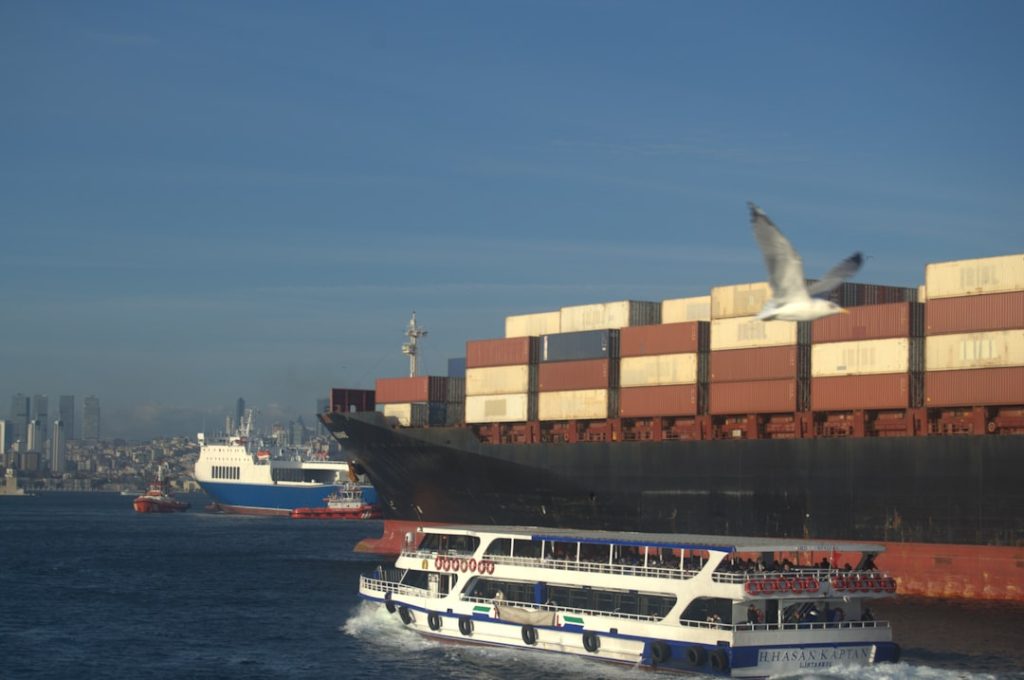
Recent discussions between British and American leadership have focused on addressing disruptions to crucial maritime shipping routes, which have been significantly impacted by the regional conflict.
The United Kingdom plans to host multilateral discussions this week involving a coalition of nations aimed at restoring normal shipping operations through strategically important waterways.
These upcoming meetings represent continued efforts by the British government to facilitate the restoration of free navigation in waters critical for global oil and gas transportation routes.
Photo by Sinem Tunalı on Unsplash
Photo by Julien Goettelmann on Unsplash
Photo by Martti Salmi on Unsplash