
US-Iran Peace Negotiations Collapse Over Nuclear Weapons Dispute
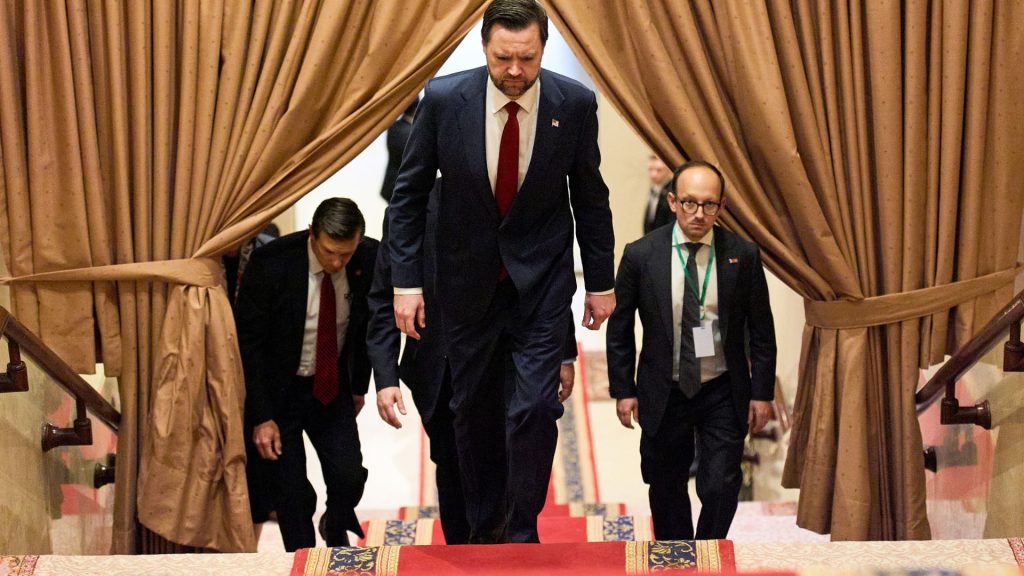
High-stakes diplomatic negotiations between the United States and Iran ended without agreement after Iranian representatives refused to commit to abandoning nuclear weapons development, according to statements from American officials departing Pakistan on Sunday.
Following 21 hours of intensive discussions, Vice President JD Vance announced the breakdown of talks at a press conference in Islamabad, citing Iran’s unwillingness to provide guarantees against pursuing nuclear capabilities as the primary obstacle.
“While we engaged in meaningful dialogue with Iranian negotiators, we were unable to reach a consensus,” Vance explained during the media briefing. “The fundamental issue remains their refusal to commit to abandoning nuclear weapons development and related technologies.”
The negotiations represented a critical attempt by the Trump administration to address ongoing regional tensions through diplomatic channels. Throughout the extended talks, Vance maintained regular contact with senior administration officials, including multiple conversations with President Trump.
Iranian Position and Mistrust
The Iranian delegation, headed by Parliament Speaker Mohammad Bagher Qalibaf, expressed deep skepticism about American commitments, referencing previous conflicts as grounds for their distrust. Iranian negotiators indicated that while they presented forward-looking proposals, the American side failed to establish sufficient confidence for a breakthrough.
“Our delegation raised constructive initiatives, but the opposing party ultimately could not earn our trust in this negotiation round,” Qalibaf stated on social media. “The United States now understands our position and principles, and must decide whether it can build the necessary trust.”
Iranian state media reported significant disagreements over various issues, including the removal of nuclear materials and the reopening of the strategically vital Strait of Hormuz shipping lane.
Strait of Hormuz Tensions Persist
The diplomatic impasse coincided with ongoing maritime tensions in the Strait of Hormuz, a critical chokepoint handling approximately 20 percent of global oil and natural gas shipments. Iran’s blockade of the waterway since late February has severely disrupted international energy supplies and driven oil prices higher.
American naval forces began mine-clearing operations in the strait during the negotiations, with two guided-missile destroyers conducting missions to establish safe passage routes. The USS Frank E. Peterson and USS Michael Murphy transited the waterway as part of broader efforts to counter Iranian-placed sea mines.
“We are establishing new passage routes and will share safe pathways with the maritime industry to encourage commercial flow,” stated Admiral Brad Cooper, commander of U.S. Central Command.
Limited Maritime Progress
Despite the diplomatic deadlock, three large oil tankers successfully passed through the Strait of Hormuz on Saturday, marking the first vessels to exit the Gulf since a temporary ceasefire arrangement began. The Liberia-flagged Serifos and two Chinese-flagged vessels each capable of carrying two million barrels of oil completed the transit.
However, shipping traffic remains severely restricted compared to pre-conflict levels, with Iran continuing to limit most commercial vessel movement through the strategic waterway.
Regional Implications
The failed negotiations carry significant implications for broader Middle Eastern stability. Separate talks between Israel and Lebanon regarding Hezbollah disarmament are scheduled to begin in Washington, though domestic protests in Lebanon have complicated those diplomatic efforts.
The Iranian-backed Hezbollah organization joined the conflict in support of Iran during the early stages, prompting Israeli airstrikes and ground operations in Lebanon that have resulted in over 2,000 casualties according to Lebanese health officials.
Religious Leadership Calls for Peace
Pope Leo XIV delivered strong criticism of the ongoing conflict during an evening prayer service at St. Peter’s Basilica, denouncing what he termed the “delusion of omnipotence” fueling regional warfare. The pontiff called for immediate negotiations and an end to military actions.
“Enough of the idolatry of self and money! Enough of the display of power! Enough of war!” the Pope declared during the service, which included diplomatic representatives from both the United States and Iran.
Pakistani officials indicated their willingness to continue facilitating dialogue between the parties, with Foreign Minister Ishaq Dar emphasizing the importance of maintaining ceasefire commitments while pursuing renewed negotiations in the coming days.