
Rising Fuel Costs Force Ride-Share Drivers to Become More Selective About Trip Acceptance
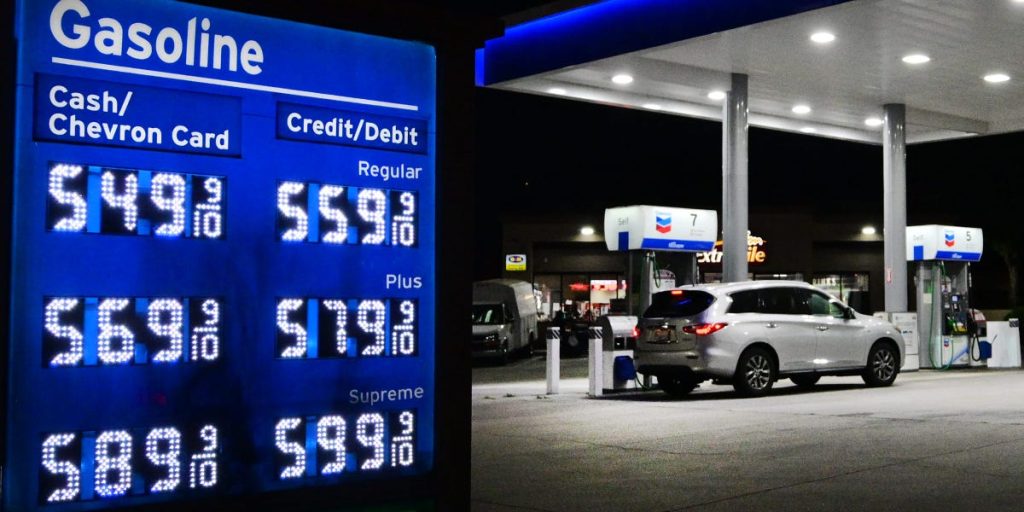
The surge in gasoline prices has prompted drivers for ride-sharing platforms to adopt a more strategic approach to their work, carefully evaluating which ride requests to accept based on profitability and distance considerations.
As fuel costs continue to climb, many drivers are finding themselves in a challenging position where they must balance earning potential against the increasing expense of operating their vehicles. This economic pressure has led to a fundamental shift in how drivers approach their daily operations.
The strategy commonly referred to as ‘decline and recline’ has emerged among the driver community, where operators are becoming increasingly selective about the trips they choose to complete. This approach involves declining shorter rides or those that would require significant travel to less profitable areas.
Drivers are now conducting more thorough cost-benefit analyses before accepting ride requests, taking into account factors such as trip distance, destination location, and the likelihood of securing a return fare. This calculated approach helps drivers maintain their profit margins despite the elevated cost of fuel.
The impact of rising gas prices extends beyond individual driver earnings, potentially affecting service availability and wait times for passengers in certain areas. As drivers become more selective, some regions may experience reduced service levels, particularly for shorter trips that are deemed less economically viable.
This shift in driver behavior reflects broader economic pressures facing gig economy workers who must absorb increased operational costs while maintaining competitive service levels. The situation highlights the ongoing challenges faced by independent contractors in adapting to fluctuating market conditions while preserving their livelihood.