
Homeland Security Chief Considers Closing Customs Operations at Sanctuary City Airports
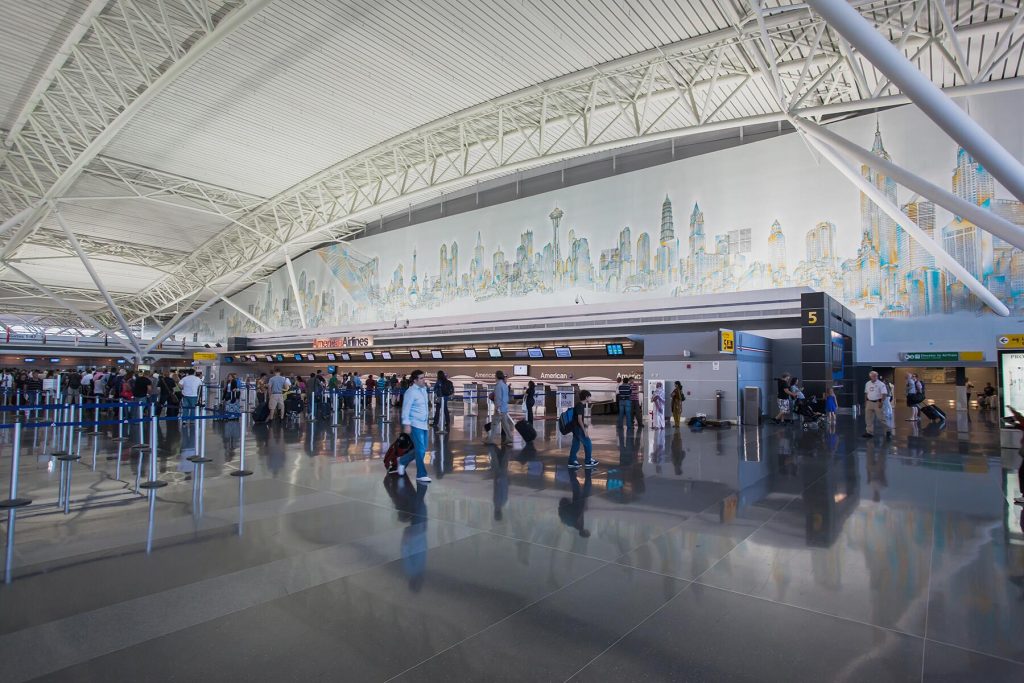
The Department of Homeland Security is exploring the possibility of shutting down customs processing at international airports located in sanctuary jurisdictions, a proposal that could significantly impact global travel and commerce.
During a television interview, DHS Secretary Markwayne Mullin raised questions about whether airports in sanctuary cities should maintain their ability to process incoming international passengers. He suggested that jurisdictions unwilling to cooperate with federal immigration enforcement should potentially lose their customs processing capabilities.
The secretary emphasized the need for partnerships between federal and local authorities, questioning the logic of allowing international arrivals in cities that refuse to enforce immigration policies once travelers leave airport premises. He indicated that resources should be concentrated on communities willing to collaborate with federal agencies.
This proposal could affect numerous major metropolitan areas currently designated as sanctuary jurisdictions by federal authorities. These locations include some of the nation’s busiest international gateways, handling millions of passengers annually across cities like Seattle, San Francisco, Philadelphia, Newark, New York, Los Angeles, Denver, Chicago, and Boston.
Potential Impact on International Travel
Customs and Border Protection, operating under DHS oversight, manages the screening of all international arrivals at American airports. This function operates independently from Immigration and Customs Enforcement activities. Eliminating these operations would effectively terminate all international flight services at affected airports, creating widespread disruption for global travelers.
The three major international airports serving the New York metropolitan area alone processed over 50 million international passengers in the previous year. Any suspension of international air services could severely damage American international commerce and tourism sectors, potentially affecting major upcoming events like the FIFA World Cup scheduled to begin in various American cities this June.
Legal and Practical Considerations
While DHS maintains authority to close entry points during emergencies, infrastructure failures, or security threats, utilizing this power for political purposes remains largely unprecedented. The department can shut down facilities for operational reasons such as power outages or safety concerns, but politically motivated closures would represent uncharted territory.
Immigration enforcement has become a central issue in ongoing political disputes, particularly following the partial DHS shutdown that began in mid-February after funding authorization expired. The standoff has highlighted tensions between federal and local authorities regarding immigration cooperation.
Sanctuary City Policies and Federal Relations
Local jurisdictions maintain discretion over their law enforcement agencies’ cooperation with federal immigration officials. Many communities have declined such cooperation for decades, arguing that fear of immigration reporting prevents non-citizens from reporting crimes or assisting in unrelated law enforcement investigations, regardless of their legal status.
Los Angeles implemented restrictions preventing police from questioning individuals solely about immigration status as early as 1979, while Chicago established similar policies during the 1980s. These jurisdictions maintain that immigration enforcement falls exclusively within federal jurisdiction and budgetary responsibility, though they typically comply with information requests accompanied by judicial warrants.
The secretary later clarified to media representatives that no final determination has been reached, emphasizing that withdrawing customs officers represents just one option among many under consideration. He stressed that these remain preliminary thoughts rather than definitive policy decisions.
Operational Challenges During Government Shutdown
The ongoing DHS shutdown has created significant operational challenges for air travelers nationwide. While customs agents continue receiving compensation through reallocated funds due to their essential status, other security personnel faced payment delays until receiving back pay through executive action in late March.
Transportation Security Administration workers experienced extended periods without compensation, leading to widespread sick calls and resignations that left airports understaffed and created extensive security checkpoint delays. These conditions have improved following the restoration of TSA worker pay, though the broader shutdown continues affecting department operations.
There exists minimal precedent for closing customs operations at American airports for political motivations, making this proposal particularly significant for its potential to reshape federal-local relationships and international travel infrastructure.