
Fashion Week Embraces Age Diversity as Mature Models Take Center Stage
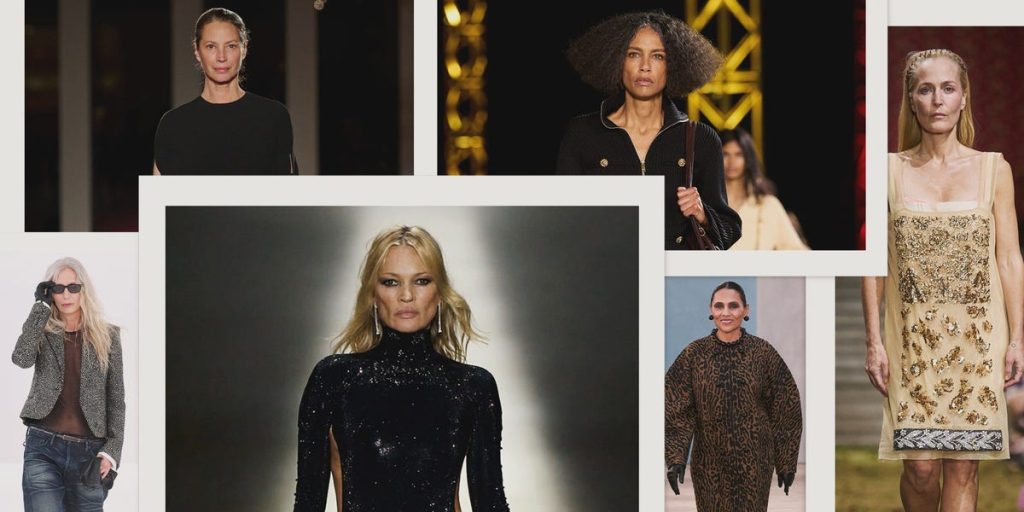
The fashion industry has long operated under a curious contradiction: while young models typically showcase luxury designs on runways, it’s predominantly older women who actually purchase these high-end pieces. This season, however, designers made a deliberate shift to acknowledge this reality by featuring models and personalities in their 40s, 50s, and 60s across major fashion shows.
At Chanel, creative director Matthieu Blazy made a statement by opening his show with 50-year-old Stephanie Cavalli, whose silver hair has become her signature. Cavalli also appeared in Blazy’s couture presentation earlier this year. The designer emphasized that mature models contribute a unique quality to fashion presentations, noting their worldly experience and depth. The Chanel show also featured Christina Chung and Laura Ponte, both in their fifties.
Fashion enthusiasts witnessed appearances from legendary figures including 61-year-old Kristen McMenamy, who walked for both Tom Ford and Miu Miu, and 45-year-old Mariacarla Boscono, who appeared at Gucci and Alaïa shows. These casting choices often created meaningful connections to brand heritage.
Several designers deliberately chose models with historical ties to their houses. Calvin Klein featured 50-year-old Guinevere van Seenus, a grunge-era icon who originally walked for the brand in the 1990s. Michael Kors selected Christy Turlington, now 57, to close his 45th anniversary celebration – particularly significant since she starred in his very first advertising campaign. At Gucci, creative director Demna included Kate Moss, 52, as part of his exploration of the brand’s late 1990s aesthetic.
The trend extended beyond professional models to include cultural figures and celebrities over 40. Miu Miu featured appearances by Gillian Anderson and Chloë Sevigny. During New York Fashion Week, Carolina Herrera’s creative director Wes Gordon cast notable artists including Rachel Feinstein, Amy Sherald, Anh Duong, and Ming Smith for his Peggy Guggenheim-inspired presentation.
This movement toward age inclusivity represents more than just positive representation for women over 40. It serves as a counter-narrative to contemporary culture’s obsession with youth, where social media influencers express anxiety about reaching 30 and cosmetic procedures among younger demographics continue to rise. While body diversity on runways has decreased in recent seasons, this fashion cycle demonstrated that chronological age need not be a barrier to runway participation.