
Natural Methods to Alleviate Chest Discomfort from Anxiety
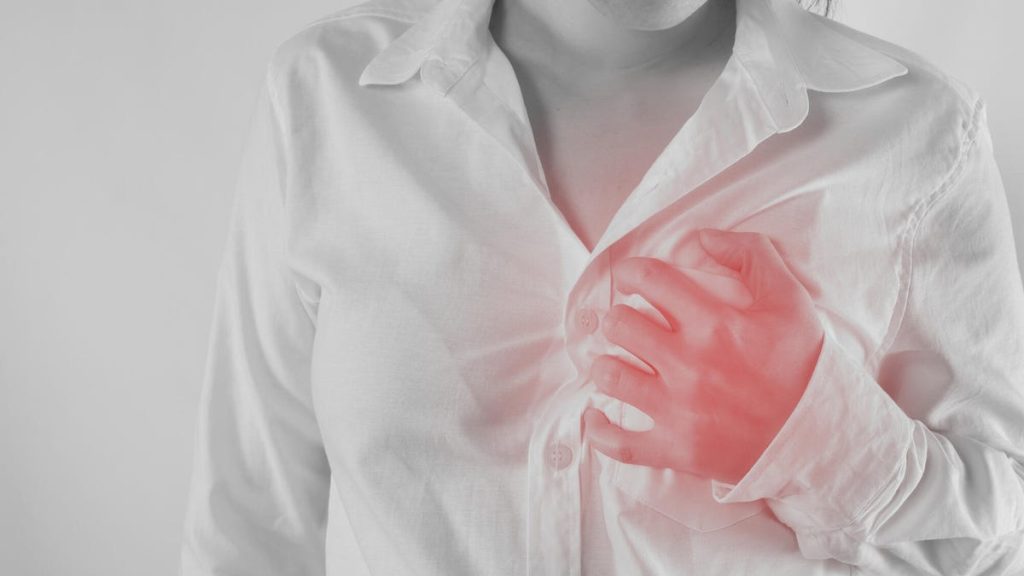
Managing anxiety presents significant challenges, particularly as daily responsibilities accumulate and stress levels intensify. However, understanding that millions of people face similar struggles can provide reassurance during difficult periods.
Research from the National Library of Medicine reveals that approximately one-third of Americans experience anxiety disorders during their lifetime, with conditions worsening due to healthcare costs and financial pressures. Current economic concerns, including inflation worries affecting 93% of Americans according to recent surveys, contribute to this growing mental health crisis.
While typical anxiety manifestations include restlessness, exhaustion, and irritability, severe episodes can trigger more intense physical reactions such as nausea, elevated heart rate, and chest discomfort. Emergency room data indicates that anxiety causes 30% to 40% of low-risk chest pain cases, making it crucial to distinguish between cardiac events and anxiety-induced symptoms.
Understanding Anxiety-Related Chest Tightness
Anxiety represents the body’s instinctive stress response mechanism. When confronted with perceived threats, the autonomic nervous system activates its fight-or-flight protocol for protection. This physiological reaction involves both neurological and physical changes, including increased adrenaline and cortisol production, accompanied by sweating, breathing difficulties, and muscle tension. As muscles contract and heart rate accelerates, hyperventilation may occur, contributing to chest pain sensations.
Characteristics of Anxiety-Induced Chest Pain
Chest discomfort ranks among the most frequent panic attack symptoms. Anxiety-related chest tightness manifests differently across individuals, with some experiencing gradual onset while others feel immediate discomfort.
Typical descriptions of anxiety chest pain encompass:
- Chest tightness or tension sensations
- Sharp, stabbing, or shooting pain episodes
- Continuous chest aching
- Numbness or dull chest discomfort
- Muscle twitching or spasms
For those unfamiliar with anxiety-related chest symptoms, these experiences can prove frightening due to their similarity to cardiac events, though significant differences exist between the two conditions.
Four Natural Approaches to Managing Anxiety Chest Tightness
While eliminating chest pain during acute episodes proves challenging, these practical strategies can help restore control over the situation.
1. Acknowledge the Experience
When experiencing anxiety or panic symptoms, recognizing and accepting their occurrence proves essential for working through the episode effectively. This awareness enables better decision-making regarding the situation, such as removing yourself from overstimulating environments to manage symptoms appropriately.
2. Concentrate on Respiratory Control
Therapeutic breathing techniques can counteract shortness of breath and increased heart rate associated with anxiety episodes. Focusing on controlled breathing helps terminate the stress response, though relief typically requires several minutes of deliberate practice. These exercises can be performed anywhere and as frequently as necessary.
Effective breathing techniques for anxiety management include:
- 4-7-8 breathing pattern: This stress-reduction technique involves inhaling for four counts, holding breath for seven counts, and exhaling for eight counts
- Box breathing method: Designed to slow breathing patterns by exhaling completely, inhaling for four counts, holding for four counts, then exhaling for four counts, repeated three to four times
- Diaphragmatic breathing: This deep relaxation technique involves placing one hand on the chest and another on the abdomen, inhaling slowly to expand the belly, then exhaling slowly as the belly contracts
3. Apply the 3-3-3 Grounding Method
When recognizing early anxiety symptoms, the 3-3-3 technique can help prevent escalation of physical manifestations. This grounding approach promotes feelings of control and stability while providing effective distraction from anxiety triggers.
Implementation of the 3-3-3 technique involves:
Step 1: Identify three visible objects in your surroundings, noting specific characteristics such as color and texture
Step 2: Listen for three distinct sounds, observing their pitch and volume
Step 3: Move three different body parts deliberately
4. Consider Professional Therapeutic Support
While immediate coping strategies prove essential for managing acute symptoms, they do not address underlying anxiety causes. When anxiety episodes or chest pain become frequent occurrences, professional medical consultation becomes necessary. Therapeutic intervention, particularly cognitive behavioral therapy, helps identify triggers and develops effective coping mechanisms. These techniques build confidence and situational control, potentially reducing symptom severity through identification and modification of negative thought patterns and behaviors that trigger anxiety responses.
Cognitive behavioral therapy demonstrates effectiveness for treating various conditions including panic disorder, generalized anxiety disorder, social anxiety disorder, obsessive-compulsive disorder, post-traumatic stress disorder, and prolonged grief disorder.
Distinguishing Panic Attacks from Cardiac Events
Differentiating anxiety-related chest pain from other chest pain types can prove challenging, particularly for individuals with cardiac risk factors. Heart attacks result from coronary artery blockages, presenting distinct characteristics from anxiety symptoms.
The primary distinguishing factor between anxiety chest tightness and heart attacks involves pain location. Anxiety-related discomfort typically remains localized to the chest area, while cardiac pain radiates to arms, shoulders, or other body regions. Pain quality also differs significantly, with anxiety chest pain feeling sharper compared to the uncomfortable pressure or tightness described during heart attacks. Timing represents another crucial difference, as cardiac events more commonly occur during physical exertion while panic attacks frequently happen during rest periods.
Regardless of suspected cause, chest pain warrants medical evaluation to ensure proper diagnosis and treatment rather than risking serious conditions going unaddressed.
Differentiating Anxiety from Panic Episodes
Although often used interchangeably, anxiety and panic attacks represent distinct experiences, particularly regarding chest pain manifestations. Daily anxiety typically does not produce chest pain for most individuals, while panic episodes prove more severe and temporarily debilitating. Chest tightness ranks among the most common panic attack symptoms and panic disorder manifestations.
Anxiety attacks generally present less intensity and specific triggers compared to panic attacks, which can occur without apparent cause. Panic episodes typically last between 5 to 20 minutes, with duration and frequency depending on disorder severity.
Summary and Emergency Guidelines
Anxiety-related chest tightness can prove alarming for first-time sufferers. While immediate techniques such as controlled breathing and grounding exercises provide temporary relief, addressing underlying anxiety causes proves essential for long-term management when panic attacks cause recurring chest tightness.
Seek immediate medical attention if experiencing:
- Chest tightness persisting beyond 10 minutes
- Pain radiating from chest to arms or other body areas
- Development of additional concerning physical symptoms