Telecommunications Giant Announces Massive $250 Billion Infrastructure Investment Through 2030
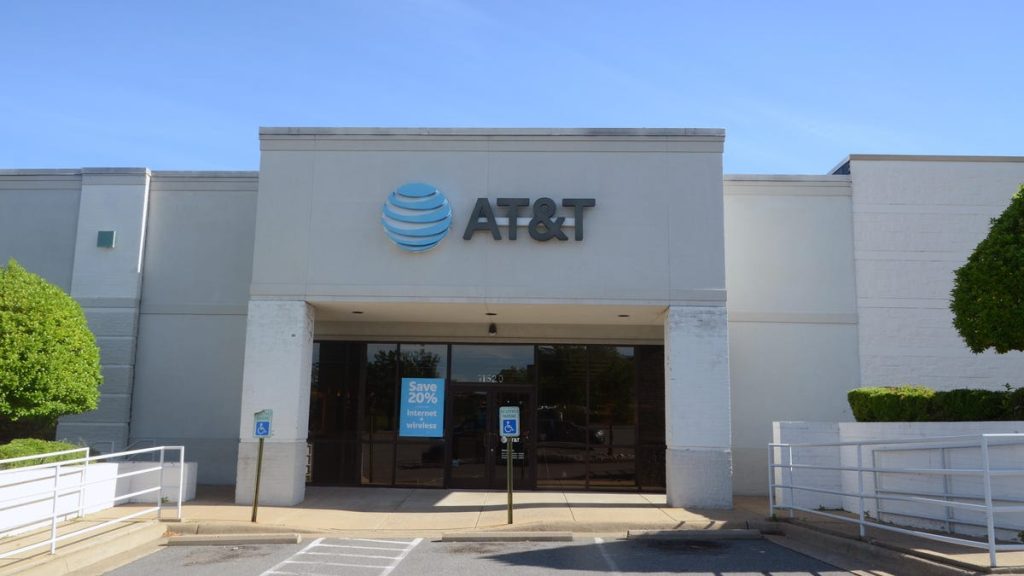
The nation’s telecommunications leader has unveiled plans for a substantial $250 billion investment initiative spanning the next six years, targeting significant enhancements to fiber optic networks, wireless infrastructure, and rural connectivity solutions. This comprehensive modernization effort will also strengthen the company’s satellite collaboration with AST SpaceMobile and deliver widespread improvements to American telecommunications services.
The telecommunications provider, serving 100 million subscribers with a workforce of 110,000 across the United States, positioned this major investment as part of commemorating the 150th anniversary of Alexander Graham Bell’s groundbreaking telephone invention.
Company leadership emphasized the strategic timing of this commitment, with Chairman and CEO John Stankey stating that the investment represents more than $250 billion dedicated to enhancing America’s connectivity infrastructure and broadening access to premier fiber and wireless networks, describing this approach as the optimal pathway to internet connectivity.
Stankey highlighted the current favorable federal telecommunications policy environment as a key factor driving the company’s decision to make this substantial commitment.
Customer Benefits and Service Improvements
Subscribers to the company’s wireless and landline services can anticipate significant network enhancements, as the majority of funding will target wireless and fiber infrastructure upgrades. These improvements are expected to result in more reliable call quality and substantially faster internet speeds for broadband users.
The expansion of rural service coverage through the AST SpaceMobile collaboration positions the company to compete directly with satellite internet providers, including Elon Musk’s Starlink service.
Industry expert Mahdi Eslamimehr from Quandary Peak Research, who specializes in satellite communications analysis, highlighted the significance of this particular initiative. The technology will facilitate direct-to-cell satellite connectivity, enabling standard smartphones to establish connections with low-Earth-orbit satellites through existing cellular frequencies.
According to Eslamimehr, satellite technology can bridge coverage limitations in areas where traditional tower construction proves challenging or economically unfeasible, including remote highways, national parks, ocean areas, and isolated rural communities, effectively expanding conventional mobile network reach.
These comprehensive wireless enhancements suggest customers will experience fewer communication dead zones and improved service quality in previously challenging locations, such as remote hiking trails and mountainous regions.
Additional Investment Areas
The spending plan encompasses continued development of FirstNet, a specialized emergency communication network designed exclusively for first responders, featuring integrated security protocols and enhanced reliability features.
Further investment allocations include advanced Wi-Fi customization capabilities for internet subscribers and enhanced data infrastructure for large-scale events including concerts and festivals. The initiative also dedicates resources to employee development programs, expanding the technical workforce, and strengthening cybersecurity measures across the network infrastructure.