Incoming Fed Chair Kevin Warsh Confronts Complex Economic Challenges
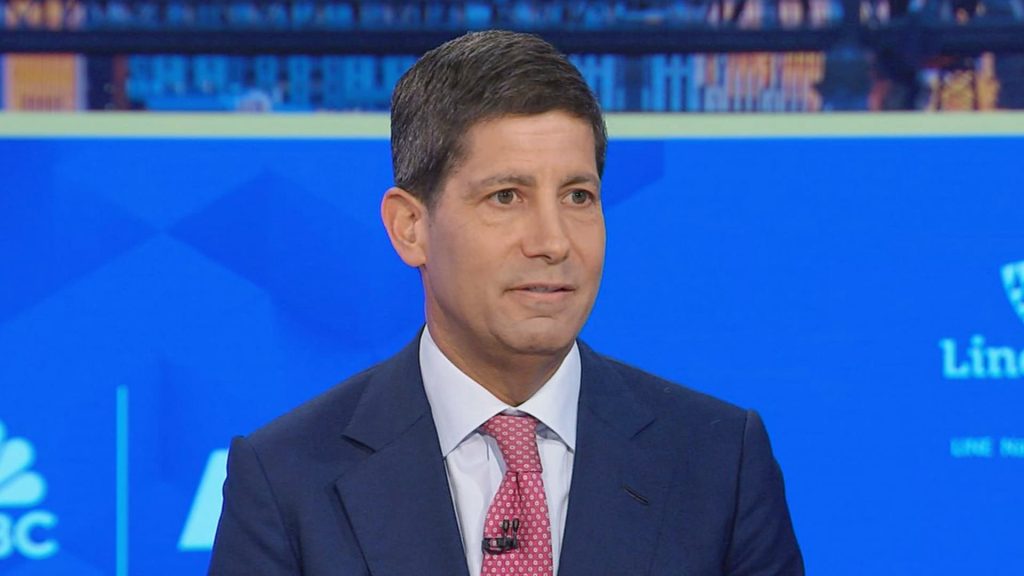
As Kevin Warsh prepares to assume leadership of the Federal Reserve, he faces a challenging economic landscape that could force difficult decisions between controlling inflation and supporting employment growth.
The central bank operates under a dual mandate requiring it to balance price stability with full employment objectives. This balancing act typically involves three policy approaches: increasing interest rates to combat inflation through reduced demand, decreasing rates to stimulate economic expansion and job creation, or maintaining current rates to preserve equilibrium between these competing goals.
However, emerging economic indicators suggest Warsh may confront simultaneous pressures from both weakening employment conditions and persistent inflation, potentially exacerbated by rising energy costs when he assumes office in May.
According to Troy Ludtka, senior U.S. economist at SMBC Nikko Securities, the incoming chair confronts significant stagflationary forces, particularly within manufacturing and goods sectors. These pressures coincide with signs that consumer resilience may be beginning to weaken.
Stagflation represents a central banker’s most challenging scenario, combining elevated inflation with sluggish growth. This combination often forces policymakers to choose between competing mandate priorities, risking failure on both fronts.
Current geopolitical tensions involving Iran have driven energy prices sharply higher, with U.S. crude oil temporarily exceeding $100 per barrel before retreating following presidential assurances about conflict resolution.
The situation carries particular significance for Warsh, given President Trump’s explicit expectations for substantially lower interest rates. The administration has argued that inflation no longer poses a significant economic threat and that the Fed should continue the rate reduction cycle initiated in September.
Manufacturing costs were already increasing before the recent energy surge. The Institute for Supply Management’s price index reached a nearly four-year peak in February, with factory purchasing managers reporting ongoing cost pressures partly attributed to tariff policies.
Ludtka cautioned that sustained elevated energy prices could push headline inflation above 3% while consumer financial conditions deteriorate and labor markets soften. Although economists typically view energy price impacts as having limited broader economic transmission, the recent 15% surge in urea fertilizer prices since hostilities began raises concerns about food price inflation.
Warsh will inherit a Federal Open Market Committee already experiencing internal divisions regarding future policy direction. While central bankers traditionally look beyond oil price shocks when assessing long-term trends, prolonged disruptions may require direct policy responses.
The committee’s existing divisions are likely to intensify if oil prices remain elevated while inflation persists alongside labor market weakness, potentially forcing a choice between competing priorities.
Despite inflation concerns, Ludtka believes policymakers will likely favor rate reductions as the path of least resistance.
One positive factor supporting the Fed’s position is continued consumer spending, though this strength remains concentrated among higher-income demographics. Bank of America data shows consumer spending increased 3.2% year-over-year in February, marking the largest gain in over three years.
However, income disparities are widening, with after-tax wage growth for top earners rising 4.2% annually compared to just 0.6% for lower-income workers—the largest gap since data collection began in 2015.
Monetary policy has historically proven ineffective at addressing inequality issues. Nevertheless, Fed officials might be inclined to overlook temporary oil price spikes if evidence emerges of consumer struggles, particularly among lower-income groups facing both higher prices and employment market deterioration.
Bank of America economists suggest financial markets may be misinterpreting current conditions by assuming the Fed will automatically prioritize inflation control. Trading activity has reduced rate cut expectations, with the first reduction now anticipated in September and a second move pushed to 2027.
The market’s predominantly hawkish response to oil price increases—favoring inflation focus and higher rates—may represent a strategic error, according to BofA economist Aditya Bhave.